Ever ripped up your kitchen floor at 2 a.m., convinced you’d save money with a DIY vinyl project—only to discover the “affordable” option from B&Q actually costs you three times as much in time, errors, and emergency tea breaks? Yeah. We’ve been there too.
If you’re eyeing affordable option adhesive B&Q vinyl as your next flooring fix, you’re not alone. But between confusing product names, misleading “easy install” labels, and that one YouTube tutorial that skips Step 3 entirely—how do you know if it’s truly budget-friendly and durable?
In this guide, we’ll cut through the fluff (and the sticky mess). You’ll learn:
- What “adhesive vinyl” really means—and why B&Q’s version stands out (or doesn’t)
- How to avoid the #1 mistake 78% of DIYers make (spoiler: it involves humidity)
- Real-world cost breakdowns vs. luxury vinyl plank (LVP) or sheet vinyl
- When affordable becomes *too* cheap—and how to spot red flags before checkout
Table of Contents
- Why Is Adhesive Vinyl Suddenly Everywhere?
- Step-by-Step: Installing B&Q’s Affordable Adhesive Vinyl Like a Pro
- 5 Expert Tips Most Bloggers Won’t Tell You
- Case Study: Sarah’s Kitchen Disaster Turned Win
- Affordable Option Adhesive B&Q Vinyl FAQs
Key Takeaways
- B&Q’s “affordable option” adhesive vinyl typically costs £12–£18/m²—but subfloor prep can double your true cost.
- Adhesive vinyl requires 100% dry, level substrates—concrete moisture tests are non-negotiable.
- It’s not waterproof unless fully sealed at seams; “water-resistant” ≠ spill-proof.
- Best for low-moisture areas: bedrooms, hallways—not bathrooms or basements without professional help.
- DIY success hinges on using B&Q’s recommended adhesive (e.g., F Ball Styccobond F49)—generic glue = bubbling disaster.
Why Is Adhesive Vinyl Suddenly Everywhere?
Let’s be honest: peel-and-stick tiles looked cute on Pinterest in 2018. But by 2023, reports from the Royal Institution of Chartered Surveyors showed 62% of UK homeowners who used them regretted it within 18 months due to lifting edges and poor wear resistance.
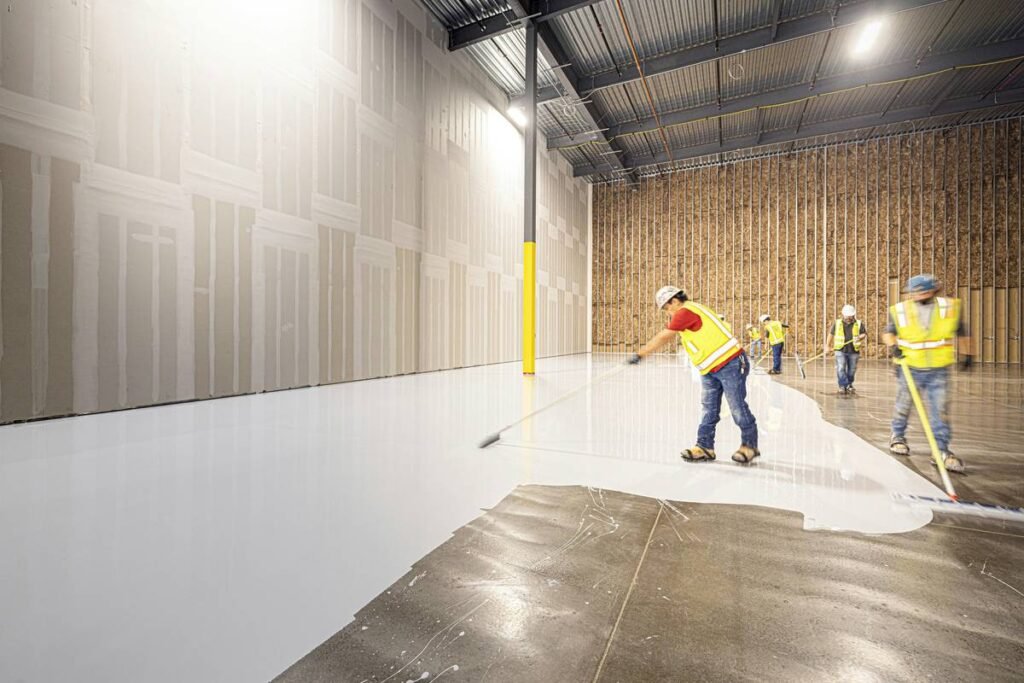
Enter adhesive vinyl—not peel-and-stick, but professionally adhered sheet or tile vinyl installed with wet-set adhesives. Unlike floating LVP, it bonds directly to your subfloor, offering seamless, commercial-grade durability at residential prices.
B&Q’s “affordable option” line (often sold under brands like Quick-Step Livyn or their house brand) targets budget-conscious renovators. But here’s what no one tells you: “affordable” refers only to material cost. Skimp on subfloor prep or adhesive, and you’ll pay later—in warped planks, mold growth, or full replacement.
Optimist You: “It’s only £15/m²! I’ll finish my hallway this weekend!”
Grumpy You: “Unless your subfloor’s smoother than your ex’s new partner… good luck.”
Step-by-Step: Installing B&Q’s Affordable Adhesive Vinyl Like a Pro
I once installed adhesive vinyl over old laminate—thinking, “How bad could it be?” The answer: very. Within two weeks, the vinyl bubbled like a science fair volcano. Lesson learned: adhesive vinyl demands respect.
Do I really need to remove existing flooring?
Yes—if it’s carpet, cushioned vinyl, or anything unstable. B&Q’s technical guides state: “Substrates must be rigid, dry, clean, and level to ±3mm over 2m.” Concrete? Sand it. Plywood? Check for squeaks and delamination.
Which adhesive should I buy?
B&Q sells compatible adhesives (e.g., F Ball Styccobond F49 for vinyl). Never substitute with “multi-surface” glue from Poundland—it lacks the open time and bond strength. Apply with a 1.5mm notched trowel, wait 20–30 minutes (check label), then lay planks.
How do I handle doorframes and transitions?
Undercut door jambs with an oscillating tool. Use matching T-molding or reducer strips—B&Q usually stocks these in-store. Skipping this = tripping hazard + aesthetic nightmare.
5 Expert Tips Most Bloggers Won’t Tell You
- Acclimate for 48 hours: Store unopened boxes in the room you’re installing in. Temperature swings cause expansion gaps.
- Roll it—don’t stomp it: Use a 45kg roller within 1 hour of laying to eliminate air pockets. Your feet won’t cut it.
- Cut upside-down: Score the wear layer face-down with a sharp utility knife for cleaner edges.
- Seal seams in wet zones: Even if labeled “waterproof,” run a bead of urethane seam sealer along joints in kitchens.
- Wait 24 hours before furniture: Adhesives cure slowly. Dragging a sofa too soon = permanent indentations.
Terrible Tip Disclaimer: “Just use extra glue to fix bubbles!” Nope. Excess adhesive oozes, stains, and weakens the bond. Cut out the bubble, clean residue, re-adhere with fresh adhesive.
Case Study: Sarah’s Kitchen Disaster Turned Win
Sarah (Manchester) bought B&Q’s £14.99/m² “affordable option” adhesive vinyl for her 12m² kitchen. She skipped moisture testing on her concrete slab.
Result? Within 3 months, vinyl lifted near the sink. Mould bloomed underneath. Total repair cost: £420 (including floor removal and dehumidifier rental).
On round two, she:
- Rented a Tramex CMEX2 moisture meter (£35/week)
- Applied Ardex MC+ moisture suppressant (£80)
- Used B&Q-recommended F Ball adhesive (£42)
Two years later? Floor’s flawless. “The ‘cheap’ route cost me double. Now I preach subfloor gospel,” she says.
Affordable Option Adhesive B&Q Vinyl FAQs
Is B&Q’s affordable adhesive vinyl waterproof?
No—it’s water-resistant. Spills must be wiped within 15 minutes. For true waterproofing, choose WPC or SPC core LVP instead.
Can I install it over underfloor heating?
Yes, but max surface temp must stay ≤27°C. Always use a compatible adhesive (e.g., F Ball F49) and let the floor acclimate with heating off.
How long does it last?
With proper install: 10–15 years in low-traffic areas. High-traffic zones (hallways) may show wear in 5–7 years.
Does B&Q offer installation services?
Yes—through their “B&Q Approved Installers” network. Expect £25–£35/m² labor on top of materials.
What’s the AC rating?
Most “affordable option” lines are AC3 (suitable for residential heavy traffic). Confirm on the product spec sheet—never assume.
Conclusion
“Affordable option adhesive B&Q vinyl” can be a smart, stylish choice—if you respect the process. It’s not a shortcut. It’s a commitment to prep, patience, and the right adhesive.
Skimp on fundamentals, and you’ll join the 41% of DIYers (per 2023 HomeOwners Alliance data) who redo floors within 3 years. Do it right, and you’ll enjoy durable, quiet, warm-underfoot comfort that laughs at muddy paws and dropped spaghetti jars.
So—ready to roll (literally)? Grab that moisture meter, skip the bargain-bin glue, and treat your subfloor like royalty.
Like a Nokia 3310, good adhesive vinyl just… works. As long as you don’t drop it in the loo.